Practical modules for everyday digital work.
Choose a single topic or combine several. Most modules contain three to five 35–60 minute sessions with practice files and worked examples.
Digital collaboration foundations
Practise shared-file conventions, comments, task ownership, status updates and hand-offs across remote or hybrid work.
- Shared folders and document ownership
- Comments versus direct messages
- Clear hand-off notes
- Simple collaboration etiquette
Workflow organisation
Build a manageable system for recurring digital tasks without turning every activity into a complex productivity framework.
- Visible task stages
- Simple prioritisation
- Reusable templates
- Weekly review habits
Working with information
Use basic table and spreadsheet habits to keep routine workplace information easier to check and interpret.
- Clean table structure
- Sorting and filtering
- Consistent dates and categories
- Basic totals and comparisons
Digital communication
Practise concise updates, useful context and deliberate channel choice across email, chat, shared notes and task comments.
- Channel choice
- Action-oriented updates
- Asynchronous clarity
- Documenting decisions
Structured everyday tasks
Turn repeated activities into clearer, easier-to-review digital routines with naming rules, checklists and process notes.
- File naming patterns
- Repeatable checklists
- Version awareness
- Short process documentation
Remote and modular
Self-paced material forms the core. Optional live-online sessions are used for selected examples, questions and feedback.
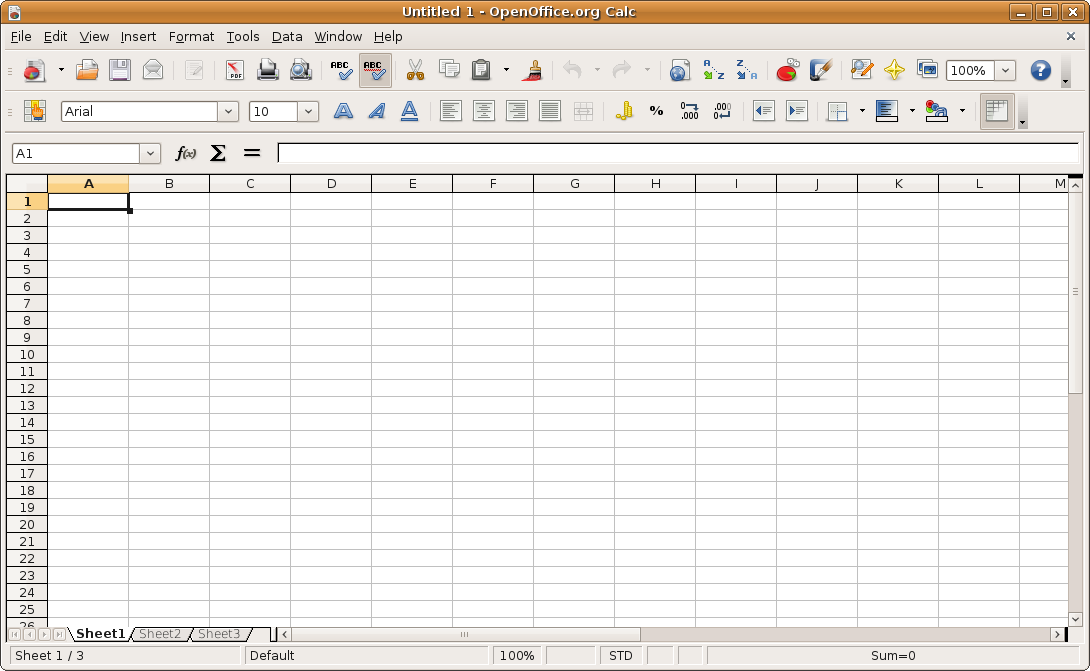
Practice starts with ordinary digital records.
Sample material includes task lists, recurring schedules, small tables, shared notes and simple operational records. The goal is to practise an understandable method rather than simulate a high-stakes professional system.